
Breaking Barriers: The Journey towards Inclusive Gaming — An Interview with Victor Dima

In the vast and ever-evolving landscape of video games, there’s a growing realization that true enjoyment knows no boundaries. Gaming was once an activity with no power to get to all kinds of people but now it is embracing a new paradigm of accessibility, one that transcends physical limitations and opens the doors to inclusivity. In this exclusive interview, we dive deep into the world of accessible gaming with Victor Dima, a gaming journalist and accessibility consultant for video game studios.
As the digital realm becomes increasingly immersive, game developers are starting to recognize the immense potential in making their creations accessible to all. Victor Dima, with his unique perspective and firsthand experience, has emerged as a leading advocate for inclusive gaming. His insights have shaped the industry, urging developers to consider the needs of gamers with disabilities, particularly those who are blind or visually impaired.
Throughout this captivating interview, we delve into the challenges faced by gamers with disabilities and the groundbreaking solutions that have been implemented to enhance their gaming experiences. From innovative audio design and tactile interfaces to customizable gameplay options, discover the incredible strides made in making video games a medium that embraces diversity and fosters equal enjoyment for all players.
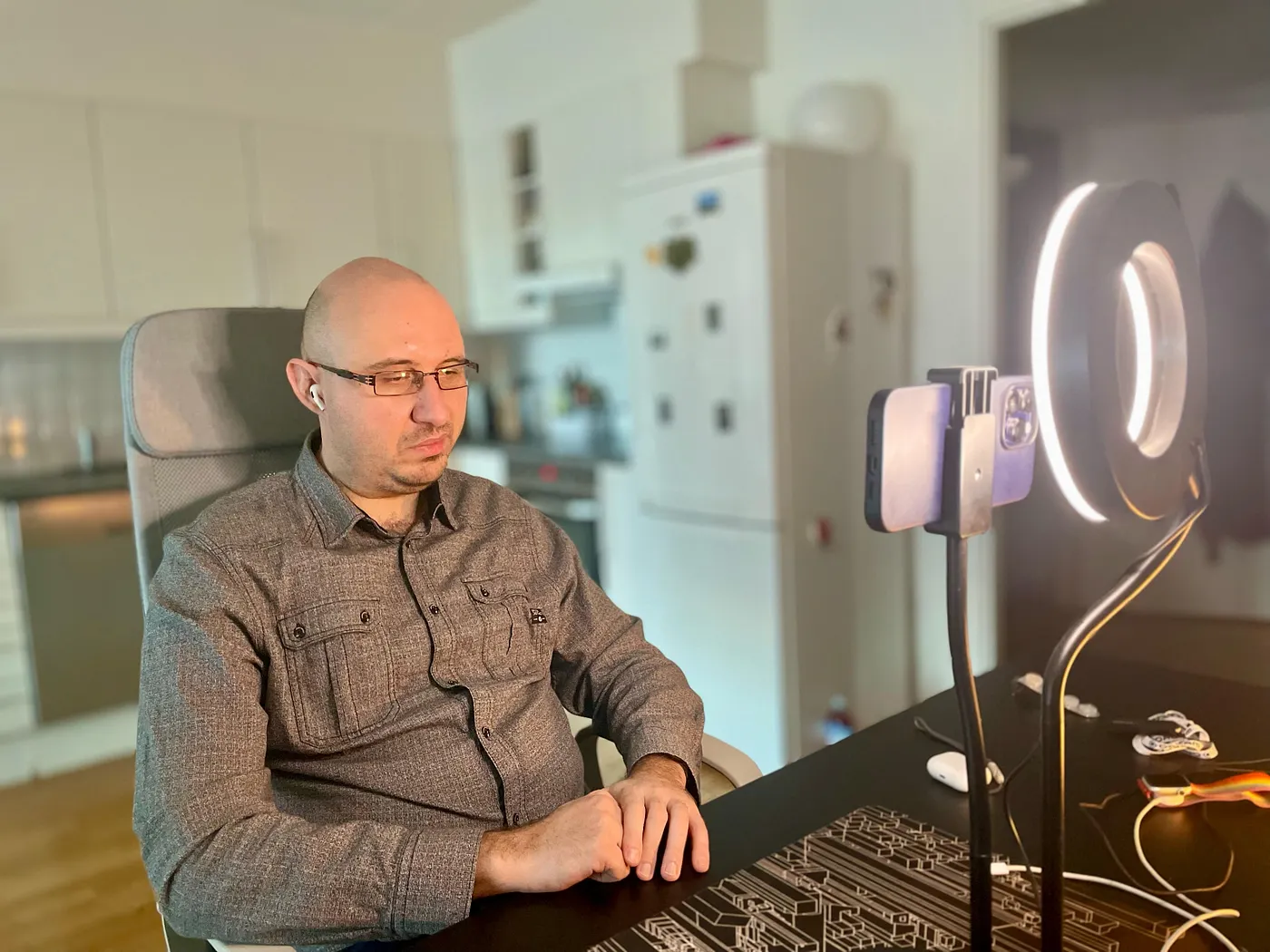
For the first part of this interview, I wanted to understand Victor’s background as a gamer. He was not always blind when he first started playing, he started “in the early 90s, when my dad brought home an HC85, like a keyboard that used cassette tapes to load games via a player. Really ancient, but still fun. After that I got the regular NES clones, a GameBoy, a Sega Mega Drive, later made the switch to PC, and after that back to home consoles with a borrowed PS2 in the early 2000s. But my true passion for gaming arrived when I was in my mid-20s when I got my own PS3 and Xbox 360”. This was the time when Victor’s vision started to drop and he was unable to continue playing as he was used to. At this time, he started to realise the importance of accessibility in video games “and decided to become myself an accessibility advocate, consultant, and ambassador for universal design.
We have all three current-gen consoles from PlayStation, Xbox and Nintendo in-house, but so far the PS5 has the most games that are accessible to me as a blind player”.
As a professional, Victor always wanted to work in video games, he started to reach out to gaming editors in Romania (he is from there) but it didn’t always work out. He still managed to write pieces for small outlets, but the bigger scheme of things started when he created the Playstation Fans from Romania community on Facebook that, up until this day, it has more than 35000 followers and is the prime source of PlayStation news in Romania. In 2013 he started his own blog and that is where he writes his reviews, news and all things related to gaming and also to his profession as an accessibility consultant. He says to me that it was through this work that he met his wife also, an important person not only in his personal life but also in his professional life, “Alina, my wife, is the one who is always there when I need a helping hand or when I need to review a game that it is not accessible for me.
Our favourite series are The Last of Us, Uncharted, Mass Effect, Gears of War, Fable, Forza, and Resident Evil and I’m sure that there are others which I’m forgetting about right now. The important thing to have in mind is that we played everything of importance released in the last 10 years and even before.”
Gaming sure is a special place in many ways as we just noticed by the story of Victor and his wife but it is not always a space for everyone. Victor told me that from the “3 billion gamers in the world, more than 400 million of them identify as impaired or disabled in one way or another. This being said it is more sure that a large number of them are suffering from vision loss or are totally blind. I don’t have an exact number, but whatever that one is I bet it is not a small one”, and what has the industry done to mitigate this number? Well, many video game studios work with accessibility consultants in the development of a game to make sure that the game can be played by everyone, that is Victor’s mission: “accessibility consultants help developers make games accessible for people with impairments. We usually stay in close contact with the team at all stages of development and ensure that the final products cater to as many players as possible. Consultants are both giving advice and testing the results in order to see if a feature works as it should”.
This work made by the consultants alongside the development team of a game has to be a thing from the beginning of the development, a game can only be played and be fully accessible to blind people if “accessibility is in at every stage and it is paramount to be tested with as many impaired gamers as possible. I’d say that first of all the developers have to understand that all games can be made accessible to almost everyone and everything will be just fine”.
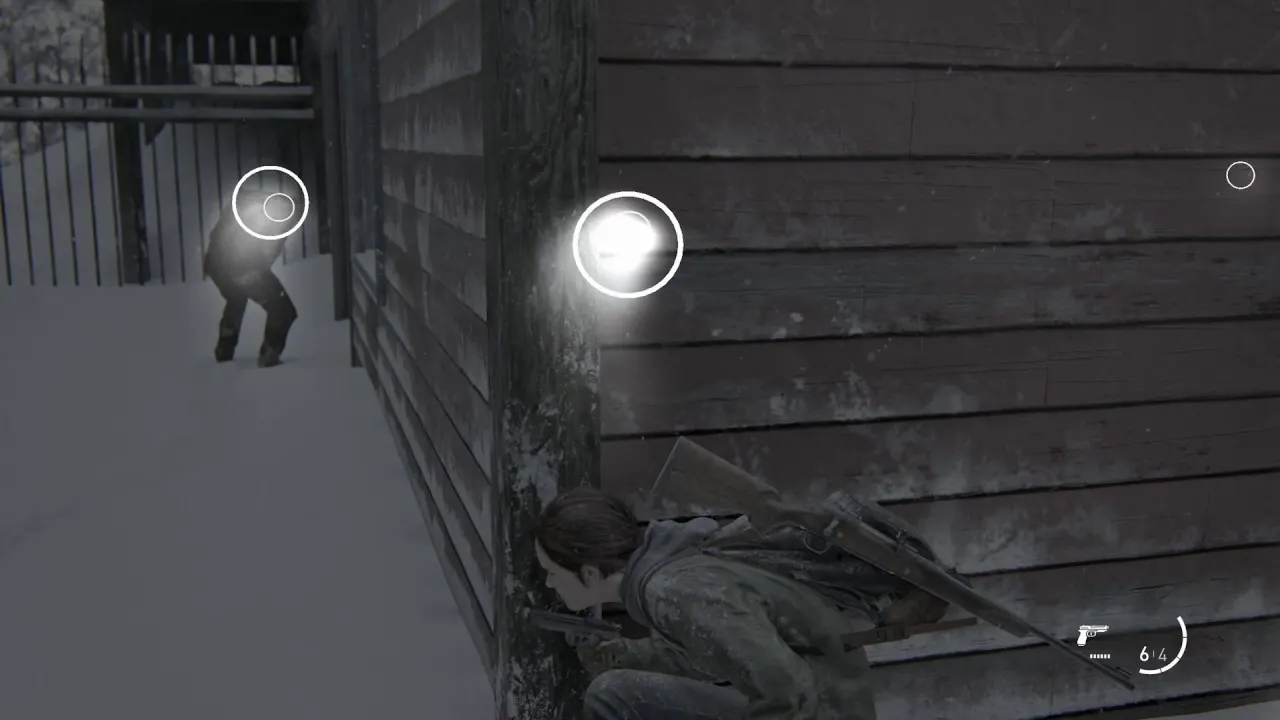
This intrigued me… can all games be accessible or are there some that are harder to make accessible? I asked Victor, Is there a type of game (FPS, RTS, MOBA, etc.) where it is more difficult to build it with accessibility? And the answer is quite simple actually, of course, that each type of game has its own mechanics, the development of each type of game is unique and so the implementation of accessibility would have to be so but, apart from this, Victor says “ think that any game can be made accessible if the developer consults with someone who is experienced in this area. All we need are talented developers who think outside the box plus a few consultants and any game has a chance to become the next The Last of Us when it comes to accessibility” (Last of Us 2 was a huge change in accessibility modes for the industry, it is known as one of the most prepared games for everyone)
Victor has already collaborated with some of the biggest studios out there, as a gaming journalist, for example XBox Nordic (with which he has a very close relationship) but also some other jobs with Ubisoft, Ea, Bungie, Activision, blizzard, Square Enix, Capcom, Rockstar Games, Sega, PlayStation studios, WB Games, Bethesda amongst others, every time he writes a review or covers a game he also suggests solutions on how that specific product can be made accessible for blind players.
It is an impressive portfolio but, there’s always room for more and for more games to have full accessibility to blind gamers as Victor says “yes, there are a lot of titles that are doing a lot of good things with accessibility, but still miss the mark when it comes to players without sight. Hogwarts: Legacy, Star Wars: Jedi Survivor, and Gears of War 5 are just a few that with a little more attention and work could have been playable by the blind. I wish I was involved with these projects…”
There was one thing missing, to talk about the future of the video games industry in regard to this topic. We all know that the industry has to follow practices that will lead to profit and that the most profitable companies are the ones that can allocate resources to various teams, including, of course, a team responsible for creating all the needed accessibilities in their games, and for that reason maybe the AAA studios have an advantage over the little ones, so my last question to Victor was simple, will there be a future where even indie studios could build accessible games? Victor’s answer was pretty straightforward, “Yes, absolutely! As a matter of fact, 3 out of the 6 games that are accessible to blind players are made by small developers. As I said, we only need to raise awareness about the fact that any game can be made accessible and I’m sure that the indie devs will be the first to come in our corner and try to create accessible experiences. I truly believe that the future of gaming is accessible and I consider myself to be fortunate to assist and hopefully contribute to this renascence!”